Building a Customer Service Chatbot That Actually Helps
TL;DR
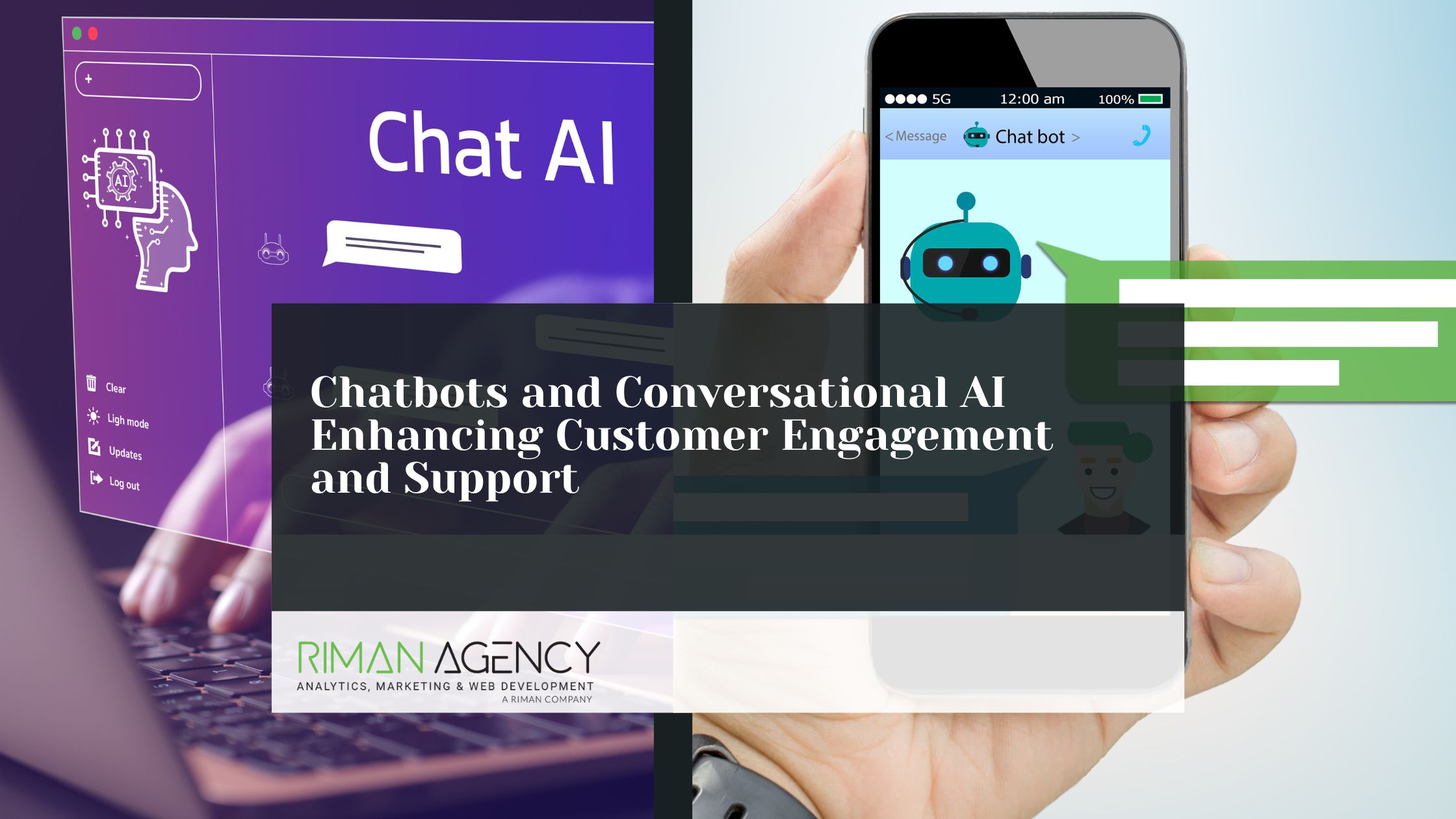
AI chatbots went from “annoying disclaimer” to “actually useful” in 2024–2025. The recipe in 2026: RAG-grounded answers, a clear handoff path to humans, and relentless quality review. Modern chatbots deflect 30–50% of tier-1 tickets with customer satisfaction equal to or better than human-only support — when built right. The gap between good and bad is narrow and very visible to customers.
What This Guide Covers
How to build a customer service chatbot customers don’t hate: the four-part build (scope, knowledge base, handoff, feedback loop), the pre-launch quality gates that catch 90% of embarrassments, the platform tier you should start on, and the specific failure modes that destroy customer trust. Built for support leaders and CX managers planning their first or next chatbot deployment.
Key Takeaways
- RAG-grounded chatbots are the 2026 architecture. Decision trees and ungrounded LLMs are obsolete.
- Build all four parts: scope, knowledge base, handoff, feedback loop.
- Pre-launch quality gates catch 90% of embarrassments.
- The bot’s quality follows the knowledge base’s quality. Invest upstream.
- Hide the human option = trust collapse. Always offer it prominently.
What Changed: RAG Makes Chatbots Actually Useful
Pre-2023 chatbots were either decision-tree contraptions or LLMs hallucinating answers. The 2025+ architecture:
- LLM for language understanding and response generation.
- RAG (Retrieval-Augmented Generation) pipeline feeding it your actual help center, documentation, pricing, and policies in real time.
- Source citations in answers — “From the Refunds policy: [link].” Builds trust; enables verification.
The Four-Part Chatbot Build
- Define the scope. What will it answer (FAQ, account, order status)? What won’t it (legal, refund disputes, security)? Publish the list in the bot’s opening message.
- Build the knowledge base. Every answer must be grounded in a source document. Audit your existing help center for completeness, currency, and consistency — broken KB equals broken bot.
- Design the handoff. When does it pass to a human? Defaults that work: three unsuccessful attempts, explicit “speak to a human” request, frustration keywords, high-stakes topics.
- Close the feedback loop. Tag every conversation as resolved, escalated, or failed. Review 5% weekly. Update the KB based on failures. The bot improves over time or it rots.
Pre-Launch Quality Gates
| Gate | Pass Criteria |
|---|---|
| Answer accuracy | ≥95% correct on 100 representative questions |
| Hallucination resistance | Refuses or escalates on all 20 out-of-scope questions |
| Adversarial robustness | Refuses all jailbreak and prompt-injection attempts |
| Accessibility | Full screen reader and keyboard support |
| Handoff | Human reachable in <3 attempts |
Platforms in 2026
- Native AI in your existing platform — Intercom Fin, Zendesk AI, HubSpot Breeze. Start here. Lowest friction, fastest deploy.
- Specialized AI chat platforms — Ada, Forethought, Drift. When native isn’t enough.
- Custom build on top of LLM APIs — only when off-the-shelf fails specific needs and you have engineering bandwidth.
What Customers Hate About Chatbots
- Hidden human option. Trust collapse. Offer it prominently from the start.
- Circular loops. “I don’t understand” three times in a row with no escalation. Auto-escalate after two failures.
- Fake empathy. Overusing “I’m so sorry to hear that” registers as insincere — worse than nothing.
- Solving the wrong problem. Answering the literal question instead of the real need. Prompt the bot to clarify intent for complex queries.
Common Mistakes to Avoid
- Deploying without a KB audit. Stale or inconsistent KB equals confidently wrong bot equals fast brand damage.
- No escalation rules. Frustrated customers must reach humans fast.
- Skipping pre-launch tests. Adversarial testing prevents viral failures.
- Auto-publishing without review. Especially for sensitive topics or complaints.
Action Steps for This Week
- Spend 60 minutes in your current chatbot (or a competitor’s).
- Ask 20 questions a real customer would.
- Count the right answers, wrong answers, and dead ends.
- That’s your baseline. Anything you build must beat it by a margin big enough to notice.
Frequently Asked Questions
What’s a realistic deflection rate?
30–50% of tier-1 tickets with proper KB and scoping. Higher with rich KB, clear handoff, and continuous improvement.
RAG or fine-tuning for chatbots?
RAG. Faster to update, cheaper, and grounded in current docs. Fine-tuning is for narrow tone-matching at very high volume.
Should the bot have a personality?
Yes — matching brand voice. Just don’t overdo fake empathy. Warm and competent beats overly chipper.
How often should I review chatbot quality?
Weekly review of 5% of conversations during the first 90 days; monthly after stabilization. Set up a recurring calendar block.
What if my knowledge base is bad?
Fix it before deploying the bot. The bot will confidently serve bad answers otherwise — and customers will quote those bad answers back to your team.
Want to go deeper? This guide draws on the playbook in Tarek Riman’s An Introduction to Marketing & AI 2E.
About Riman Agency: We design RAG-grounded chatbots that customers actually like. Book a chatbot audit.
← Previous: Personalization | All AI marketing articles | Next: CRM Chat →

Founder of Riman Agency, author of eight books on SEO, AEO, analytics, AI marketing and entrepreneurship, and workshop leader in English, French and Arabic. About Tarek